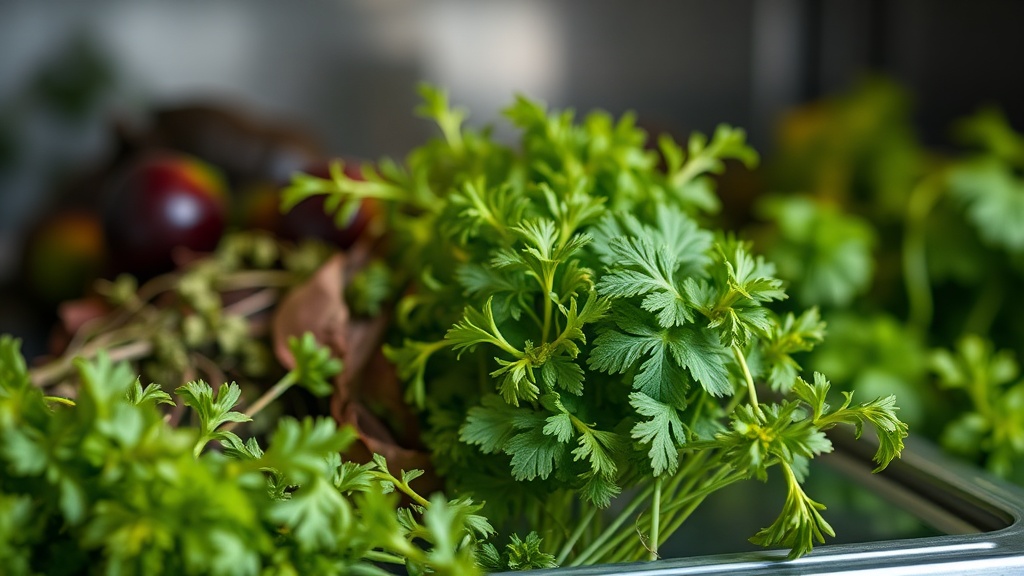
Why Your Fresh Herbs Keep Wilting in the Fridge

Have you ever bought a beautiful, bright bunch of basil or cilantro, only to find a slimy, black mess in your crisper drawer three days later? It is frustrating to spend extra money on fresh aromatics when they seem to have a shorter shelf life than the milk. This guide explains exactly why your fresh herbs are wilting prematurely and provides specific, practical methods to keep them fresh for up to two weeks, saving you money and reducing food waste in your busy household.
The Science of Why Herbs Die Early
To stop the wilting, you first need to understand the two main enemies of fresh herbs: moisture and temperature. Most herbs die because they are either too wet (leading to bacterial rot) or too dry (leading to dehydration). When you store herbs in a plastic grocery bag straight from the store, you often trap too much condensation inside. This moisture settles on the leaves, creating a breeding eventually leading to "slime," which is actually a sign of bacterial decay.
The second issue is the specific needs of different herb families. Not all herbs are created equal. Some prefer a "bouquet" style treatment with water, while others need a "burrito" style treatment with a damp cloth. If you treat a delicate cilantro sprig the same way you treat a sturdy rosemary sprig, one of them is going to end up in the compost bin.
Soft Herbs vs. Hard Herbs
The most important rule for herb longevity is categorizing them correctly. In the culinary world, we divide them into two groups: soft herbs and hard herbs. Knowing which group your herb belongs to determines your storage method.
Soft Herbs (The Moisture Lovers)
Soft herbs have tender, green stems and thin leaves. These are the ones that usually turn into a dark mush in the fridge. Examples include:
- Cilantro: Often turns yellow and slimy quickly.
- Parsley: Highly susceptible to rot if kept in a closed plastic bag.
- Basil: The most temperamental of the bunch; it actually hates the cold.
- Dill: Needs consistent moisture to stay feathery.
- Mint: Can handle a bit of cold, but needs humidity.
Hard Herbs (The Drought Tolerant)
Hard herbs have woody, tougher stems and thicker leaves. They are much more resilient and can handle a drier environment. Examples include:
- Rosemary: Very hardy and can survive quite a bit of time in the fridge.
- Thyme: Small, tough leaves that don't require much water.
- Sage: Has a fuzzy texture that holds up well in dry conditions.
- Oregano: Sturdy and easy to store in a simple container.
How to Store Soft Herbs Properly
For the soft herbs like cilantro and parsley, you should treat them like a bouquet of flowers. This method provides the hydration they need through the stems rather than the leaves.
- Trim the stems: Take your herbs out of the store packaging. Trim about a half-inch off the bottom of the stems at an angle. This allows them to drink water more effectively.
- The Jar Method: Fill a small glass jar or a Mason jar with about two inches of water. Place the trimmed herbs into the jar, ensuring no leaves are touching the water. If leaves sit in the water, they will rot immediately.
- The Cover: Loosely place a plastic bag (like a produce bag or a reusable silicone bag) over the top of the herbs. This creates a humid environment without trapping excessive moisture against the leaves.
- Refrigerate: Place the jar in the refrigerator. Check the water level every few days and replace it if it gets low.
Special Note on Basil: Basil is the exception to the "fridge rule." Basil is highly sensitive to cold temperatures. If you put basil in the refrigerator, the leaves will turn black almost overnight. Instead, keep your basil on the kitchen counter in a jar of water, just like you would with flowers. Keep it out of direct sunlight, but away from cold drafts near the sink.
How to Store Hard Herbs Properly
Hard herbs do not need a water bath. In fact, too much moisture can cause them to mold. For rosemary, thyme, and sage, the "damp towel" method is your best bet.
- Wrap it up: Take your fresh herbs and wrap them loosely in a slightly damp (not soaking wet) paper towel. A paper towel from a standard brand like Bounty or any generic brand works perfectly.
- The Bag Method: Place the wrapped herbs into a resealable plastic bag or a zip-top bag. Do not seal the bag completely; leave a small gap for air circulation.
- Store in the Crisper: Place the bag in the vegetable crisper drawer of your refrigerator. The drawer provides the perfect microclimate for these sturdier plants.
Common Mistakes to Avoid
If you are still seeing your herbs go bad quickly, check if you are making one of these common errors:
- Storing them in the original store bag: Most grocery store bags are designed for transport, not long-term storage. They trap too much ethylene gas and moisture, which accelerates decay.
- Washing them too early: While it is tempting to wash your cilantro as soon as you get home, moisture is the enemy. If you must wash them, make sure they are 100% dry—using a salad spinner is highly recommended—before putting them in a jar or bag.
- Crowding the fridge: If your herb jar is shoved into a crowded corner of the fridge where air cannot circulate, the temperature fluctuations will kill the leaves faster.
- Ignoring the "Bad Apple" effect: If you see one yellow or slimy leaf in your parsley, remove it immediately. One decaying leaf will quickly spread rot to the rest of the bunch.
Ways to Use Up Herbs Before They Turn
Sometimes, despite your best efforts, you realize you won't use that bunch of dill or parsley before it loses its luster. Instead of throwing it away, use these practical "rescue" methods to ensure your money doesn't go to waste.
Make Herb Butter: This is a great way to use up leftover parsley, chives, or thyme. Mix finely chopped herbs into softened salted butter. Roll it into a log using parchment paper and keep it in the fridge. This is perfect for topping a steak or spreading on crusty bread.
The Ice Cube Method: If you have a surplus of basil or cilantro, chop it up and place it into an ice cube tray. Fill the remaining space in the cube with olive oil. Once frozen, pop the cubes into a freezer bag. You can drop these directly into a pan when making pasta or sautéed vegetables.
Infused Oils: If you have a large amount of rosemary or thyme, you can make a quick infused oil. Place the herbs in a small jar and cover them with a high-quality olive oil. This is a great way to add flavor to your pantry staples. If you are looking for more ways to minimize waste, you might also enjoy reading about how to make veggie stock from scraps to keep your kitchen running efficiently.
Summary Checklist for Success
To keep it simple for your next grocery trip, keep this quick reference in mind:
| Herb Type | Example | Storage Method | Location |
|---|---|---|---|
| Soft | Cilantro, Parsley | Jar of water + loose bag | Fridge |
| Soft (Special) | Basil | Jar of water (no cover) | Countertop |
| Hard | Rosemary, Thyme | Damp paper towel + bag | Fridge Crisper |
By adjusting your storage habits based on the specific type of herb you've purchased, you will significantly reduce the amount of money you throw in the trash every week. Practicality is the key to a successful, budget-friendly kitchen.