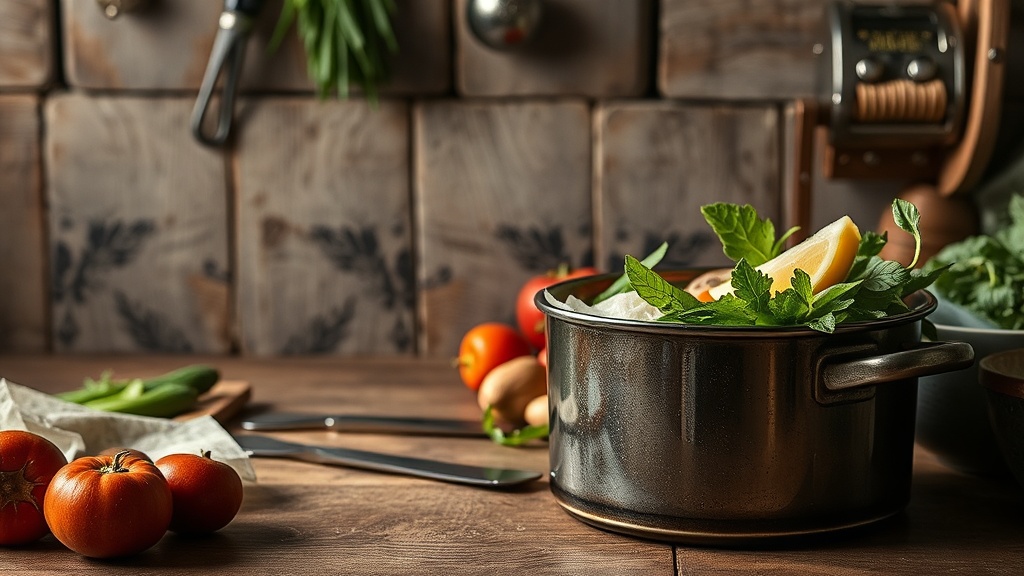
Stop Throwing Away Your Scraps and Make Veggie Stock Instead

Quick Tip
Save your clean vegetable scraps in a freezer bag to make high-quality stock whenever you have enough.
Turn Your Veggie Scraps into Free Flavorful Stock
You are going to learn how to stop tossing expensive vegetable scraps into the trash and start using them to create high-quality, homemade vegetable stock. Making your own stock is one of the easiest ways to slash your grocery bill and add deep, complex flavor to soups, risottos, and stews without buying the overpriced, salty cartons at the store.
What to Save and What to Skip
The secret to a good stock is knowing what to collect. Keep a large, reusable container—like a large Tupperware or a dedicated glass jar—in your freezer to collect scraps as you prep meals. This prevents them from rotting in the fridge and saves space in your main bins.
Collect these items:
- Onion skins and ends: The outer skins add a beautiful golden color to the liquid.
- Carrot peels and ends: These add natural sweetness.
- Celery bases: The bottom part of the celery bunch is packed with flavor.
- Leek tops: The green parts are perfect for a more earthy base.
- Parsley stems: These add a fresh, herbal note.
Avoid these items:
- Brassicas: Avoid broccoli, cauliflower, cabbage, or Brussels sprouts. These can make your stock taste bitter or sulfurous.
- Beets: While they add color, they will turn your stock a deep, unappealing purple/red.
- Excessive Garlic: A little is fine, but too much can make the stock taste acrid.
The Simple Method
Once your freezer container is full, it is time to cook. You can do this in a large stockpot on your stove or in a slow cooker for a "set it and forget it" approach.
- Combine: Place your frozen scraps into a large pot. Add enough cold water to cover the vegetables by at least two inches.
- Simmer: Bring the water to a boil, then immediately turn the heat down to a low simmer. If using a slow cooker, set it to "Low."
- Cook: Let the mixture simmer for at least 45 minutes if using a stove, or 8 to 12 hours if using a slow cooker.
- Strain: Pour the liquid through a fine-mesh strainer into a clean bowl. Discard the solids (compost them if you can!).
- Store: Let the stock cool completely. You can keep it in the fridge for up to 5 days, or freeze it in silicone ice cube trays for easy portioning later.
Using this homemade base ensures you control the sodium levels, which is a great way to save a soup that has become too salty later on.