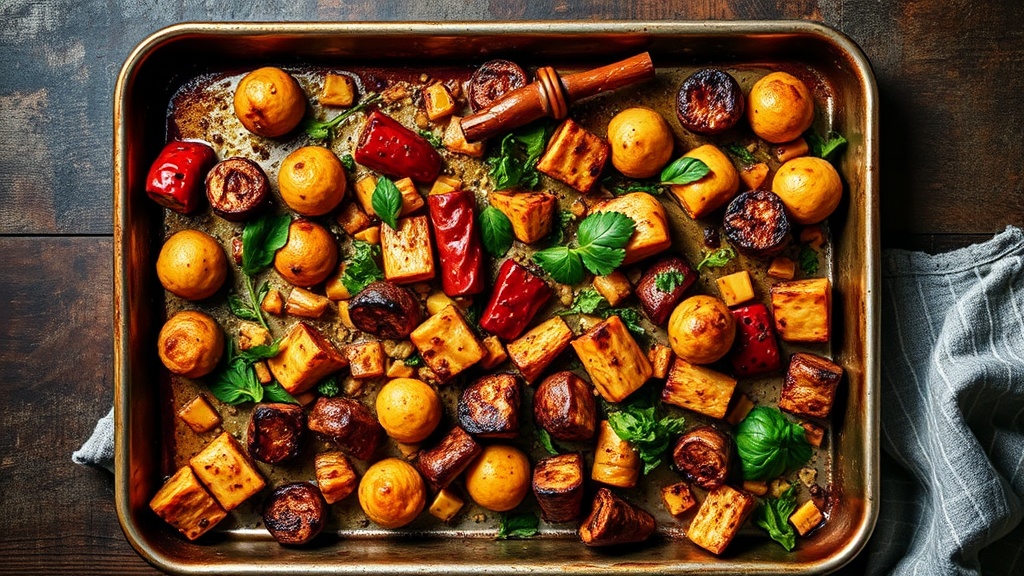
The No-Stress Sheet Pan Strategy: Making Weeknight Dinners One-Pan Wonders

The clock on the microwave reads 5:42 PM. A toddler is currently using a wooden spoon to drum against a high chair tray, and the teenage son is asking if there is any way to make dinner in under ten minutes. The kitchen counter is a graveyard of half-opened mail and loose LEGO bricks. The mental load of deciding what to cook, checking the pantry, and then facing a mountain of pots and pans afterward feels heavier than the actual cooking itself. This is the moment where the "what's for dinner" panic sets in, but a single sheet pan can change the entire trajectory of the evening.
Sheet pan cooking is not just a cooking method; it is a logistical strategy for busy households. By utilizing a single flat baking sheet to roast proteins, vegetables, and starches simultaneously, you reduce the active labor of cooking and, more importantly, the volume of dishes waiting in the sink. This approach relies on heat management and timing rather than constant stovetop supervision, making it the ideal tool for parents who need to be present for homework or bath time while dinner is in progress.
The Essential Toolkit: Pans, Liners, and Tools
Before you start chopping, you need the right equipment to ensure your meal doesn't end up as a soggy mess. A standard 18x13-inch half-sheet pan is the industry standard for a reason: it provides enough surface area to prevent overcrowding. If you crowd a pan, the ingredients will steam in their own moisture rather than roasting, resulting in limp vegetables instead of crispy edges.
- Rimmed Baking Sheets: Always use a pan with at least a 1-inch rim. This prevents juices from proteins or oils from splashing onto the bottom of your oven and creating smoke.
- Parchment Paper vs. Silicone Mats: For easy cleanup, use unbleached parchment paper. It is much easier to toss in the trash than to scrub a pan. If you are making something particularly sticky, like honey-glazed salmon, a silicone baking mat provides a non-stick surface that is reusable.
- High-Heat Oil: Avoid extra virgin olive oil for high-heat roasting, as its smoke point is relatively low. Instead, reach for Avocado Oil or Grapeseed Oil, which can handle temperatures up to 400°F or 500°F without breaking down.
- Instant-Read Thermometer: This is the secret to confidence. You shouldn't have to cut into a chicken breast to see if it's done. A digital thermometer ensures you pull the protein out at the exact moment it reaches a safe temperature, preventing overcooked, dry meat.
The Three Pillars of Sheet Pan Success
To execute a perfect one-pan meal, you must master three specific technical elements: The Chop, The Season, and The Timing.
1. The Uniform Chop
The biggest mistake in sheet pan cooking is inconsistent sizing. If you throw whole potatoes and tiny broccoli florets on the same pan, the broccoli will be charred charcoal by the time the potatoes are soft. Aim for uniformity within vegetable groups. For example, if you are making a Mediterranean-style sheet pan, dice your Yukon Gold potatoes into 1/2-inch cubes, but keep your bell peppers in larger 1-inch chunks so they don't disintegrate.
2. The Seasoning Layer
Don't just sprinkle salt on top at the end. Seasoning must happen in layers. Toss your vegetables in a bowl with oil and spices before they hit the pan. This ensures every crevice of a cauliflower floret or a sliced zucchini is coated. For a punch of flavor without extra work, use a "dry rub" approach: combine garlic powder, smoked paprika, and onion powder in a small jar ahead of time. This prevents the mess of opening five different spice jars while you're trying to prep.
3. The Staggered Entry (Timing)
Not everything cooks at the same rate. If you are making a meal with chicken thighs and asparagus, the chicken needs about 25-30 minutes, while the asparagus only needs about 10-12. To solve this, use the "staggered entry" technique. Start the chicken and the hearty vegetables (like carrots or potatoes) first. Set a timer for 15 minutes, then pull the pan out, add the delicate vegetables (like asparagus, green beans, or thin zucchini), and return it to the oven. This ensures everything finishes at the same time and maintains the correct texture.
Three Foolproof Meal Templates
Use these templates to build your own meals without needing a complex recipe book. Each of these is designed to be budget-friendly and requires minimal prep.
The Protein-Forward Mediterranean Pan
This is a high-protein, high-fiber option that works well for kids who like "deconstructed" meals. You can serve this as is, or over a bed of quick-cooking couscous or quinoa.
- The Protein: Chicken thighs (bone-in, skin-on provides the most flavor and is harder to overcook) or canned chickpeas for a vegetarian option.
- The Veggies: Red onion wedges, halved cherry tomatoes, and zucchini slices.
- The Flavor Profile: Olive oil, dried oregano, lemon zest, and minced garlic.
- The Finish: Once out of the oven, drizzle with a little feta cheese and a squeeze of fresh lemon juice.
The Sausage and Root Vegetable Harvest
This is the ultimate "set it and forget it" meal. It is particularly effective during colder months when you want hearty, warming food.
- The Protein: Pre-cooked smoked sausages or kielbasa, sliced into 1-inch coins. Using pre-cooked sausage reduces the risk of undercooking and adds a deep, smoky flavor to the vegetables.
- The Veggies: Cubed sweet potatoes, Brussels sprouts (halved), and sliced carrots.
- The Flavor Profile: Melted butter or avocado oil, salt, black pepper, and a dash of maple syrup for a hint of sweetness that kids love.
- The Finish: A sprinkle of toasted sesame seeds or a drizzle of grainy Dijon mustard.
The Low-Effort Seafood & Greens Pan
Seafood cooks incredibly fast, making this the perfect "emergency" dinner for when you get home late from a soccer practice or a late meeting. For more one-pot meal ideas that are equally fast, check out The One-Pot Pasta Hack That Saves Your Tuesday Night Sanity.
- The Protein: Salmon fillets or shrimp (peeled and deveined).
- The Veggies: Asparagus spears or thin-sliced bell peppers.
- The Flavor Profile: Melted butter, garlic, and a pinch of red pepper flakes (keep the flakes on the side for the kids).
- The Finish: Fresh dill or parsley. Note: Seafood should be added to the pan in the last 10-12 minutes of cooking to prevent a rubbery texture.
Pro-Tips for Maximum Efficiency
To truly master the sheet pan strategy, you need to think about the "pre-work" that happens before the oven is even turned on. These small habits prevent the mid-week meltdown.
Pre-Chop on Sundays: If you have 20 minutes on a Sunday, chop your hardy vegetables like onions, peppers, and broccoli. Store them in airtight containers in the fridge. When Tuesday night rolls around, you aren't starting from zero; you are simply assembling.
The "Double Pan" Strategy: If you are cooking for a large family or meal prepping for lunches, don't try to squeeze everything onto one pan. Use two. It is better to have two moderately filled pans that roast properly than one overcrowded pan that steams. You can even use two different seasoning profiles on two different pans to accommodate picky eaters—one spicy, one mild.
Temperature Control: Most sheet pan meals thrive at 400°F (200°C) or 425°F (220°C). High heat is your friend because it encourages the Maillard reaction—the chemical reaction that creates that delicious brown crust on meat and vegetables. If your oven has a "Convection" setting, use it. Convection circulates hot air more efficiently, which helps with even browning, but remember that it can cook food about 25% faster, so watch your timer closely.
Cleanup Hack: If you hate scrubbing, do not skip the parchment paper. If you prefer using a metal sheet pan without paper, make sure you use enough oil. A common mistake is using too little fat, which causes the food to stick to the metal. A generous coating of oil or a thin layer of high-quality cooking spray is essential for a clean release.
Sheet pan dinners are more than just a recipe category; they are a way to reclaim your evening. By focusing on the logistics of heat and timing, you can ensure that "dinner time" remains a time for your family to connect, rather than a time for you to be stuck at the stove or buried under a pile of dirty dishes.
Steps
- 1
Prep and Chop: Cut vegetables to a uniform size for even cooking.
- 2
Season and Coat: Toss everything in oil and spices directly on the pan.
- 3
Stagger the Start: Add hearty vegetables first if they need more time than your protein.
- 4
The Final Roast: Bake at high heat until golden and delicious.