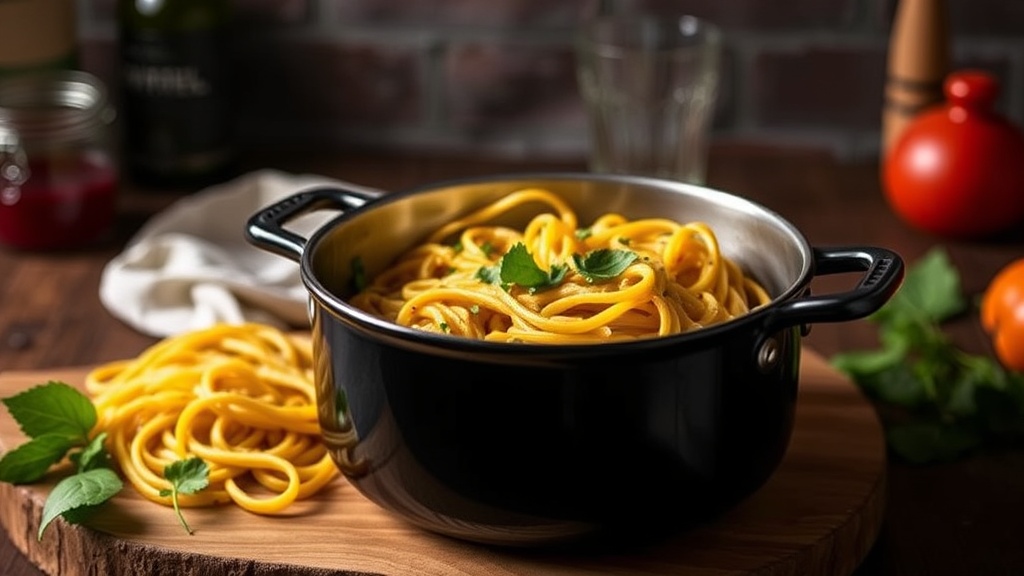
The One-Pot Pasta Hack That Saves Your Tuesday Night Sanity

It is 5:15 PM on a Tuesday. The laundry basket is overflowing, a toddler is currently testing the structural integrity of a wooden chair, and the mental checklist of everything that needs to happen before bedtime is growing longer by the second. The kitchen counter is a graveyard of mail and half-empty juice boxes. The thought of pulling out a colander, a heavy pot, a separate skillet, and a cutting board feels like an insurmountable mountain. This is the exact moment when "decision fatigue" hits, and the temptation to pull the trigger on a $50 delivery order is at its absolute peak.
The solution isn't a complex culinary technique or a trip to a high-end specialty grocer. The solution is the one-pot pasta method. This isn't just about reducing the number of dishes in the sink; it is a strategic way to cook where the starch from the pasta thickens the sauce naturally, creating a creamy, cohesive meal without needing heavy cream or expensive cheeses. It turns a chaotic weeknight into a manageable, nutritious win.
The Science of the One-Pot Method
To execute a perfect one-pot pasta, you have to understand the relationship between starch and liquid. In traditional cooking, you boil pasta in a large volume of water, drain it, and then toss it with a sauce. In the one-pot method, you cook the pasta directly in a flavored liquid—usually a combination of broth, canned tomatoes, and water. As the pasta cooks, it releases starch into the liquid. This starch acts as a natural thickener, binding the fats from your protein or oil with the liquid to create a velvety sauce that clings to every strand.
The Golden Ratio: The most common mistake is using too much liquid. For every 1 pound (16 oz) of dry pasta, you generally need between 4 and 5 cups of liquid. If you use too much, you end up with a soggy, soup-like consistency. If you use too little, the pasta will remain crunchy and the bottom might scorlage. Always keep an extra cup of low-sodium chicken or vegetable broth nearby to adjust the consistency toward the end of the cooking time.
Essential Equipment and Pantry Staples
You do not need a professional kitchen to make this work. A single, heavy-bottomed vessel is your best friend. A 5-quart Dutch oven or a deep cast-iron skillet works best because the heavy base distributes heat evenly, preventing the pasta from sticking to the bottom and burning.
- The Vessel: A Dutch oven (like a Lodge or Le Creuset) is ideal for heat retention.
- The Pasta: Short, sturdy shapes work best. Think Penne, Fusilli, or Rigatoni. These shapes have more surface area to "catch" the thickened sauce. Avoid long, delicate noodles like Angel Hair, which tend to break apart and turn to mush in a one-pot environment.
- The Liquid Base: A combination of canned crushed tomatoes (San Marzano style provides the best sweetness) and a high-quality broth.
- The Aromatics: Fresh garlic, yellow onions, and perhaps a pinch of red pepper flakes for a subtle heat.
The Blueprint: The "Standard Tuesday" One-Pot Pasta
This specific recipe is designed to be a baseline. Once you master this ratio, you can swap ingredients based on what is on sale at your local grocery store or what is lingering in your crisper drawer.
- Sauté the Aromatics: Heat 2 tablespoons of olive oil in your Dutch oven over medium heat. Add one finely diced yellow onion and two cloves of minced garlic. Sauté for about 4 minutes until the onion is translucent but not browned.
- Brown the Protein (Optional): If you are using ground turkey, Italian sausage, or chopped chicken thighs, add it to the pot now. Cook until the meat is no longer pink. Drain any excess fat if necessary, though a little fat adds flavor to the sauce.
- Layer the Ingredients: Add 1 pound of dry Penne pasta directly into the pot. Pour in 1 can (28 oz) of crushed tomatoes and 3 cups of chicken broth. Add a teaspoon of dried oregano and a teaspoon of salt.
- The Simmer: Bring the mixture to a boil. Once it reaches a rolling boil, turn the heat down to a medium-low simmer. Cover the pot with a lid.
- The Watchful Wait: Cook for 10 to 12 minutes. Every 3 to 4 minutes, lift the lid and give the pasta a thorough stir with a wooden spoon. This is crucial—it prevents the pasta from clumping at the bottom and ensures even liquid absorption.
- The Finish: Once the pasta is al dente (tender but with a slight bite) and the liquid has reduced to a thick sauce, remove from heat. Stir in a handful of fresh spinach or a splash of heavy cream if you want extra decadence. Top with grated Parmesan cheese.
Customization Strategies for Busy Families
The beauty of this method is its adaptability. You can pivot based on your budget or your children's current food preferences. If you find yourself needing to prep ahead to avoid the evening rush, you can actually prep your "dry" components—the aromatics and the dry pasta—in a container the night before.
The "Green" Upgrade: If your kids are picky about vegetables, do not chop them into visible pieces. Instead, finely grate a zucchini or a carrot into the pot during the sauté phase. They will melt into the sauce, adding nutrition and thickness without the visual "red flags" that often trigger a dinner-table standoff.
The Protein Swap: You can easily transition this from a meat-based meal to a vegetarian one. Replace the sausage with a can of rinsed cannellini beans or chickpeas. The beans add fiber and protein without adding much cost. If you are looking for a higher protein count, adding pre-cooked rotisserie chicken at the very end is a great way to utilize leftovers.
Avoiding Common One-Pot Pitfalls
While this method is much easier than traditional cooking, there are three specific errors that can ruin your Tuesday night efforts. Being aware of these will ensure you aren't wasting ingredients.
1. The "Stuck" Bottom: Because you are cooking the starch directly in the liquid, the bottom of the pot is prone to "scorching." If you notice the liquid is disappearing too quickly but the pasta is still hard, add more broth immediately. Never let the pot sit without stirring once the liquid starts to thicken.
2. Overcooking the Pasta: In a one-pot setting, the pasta continues to absorb liquid even after you turn off the heat. If you cook the pasta until it is perfectly soft in the pot, it will be mushy by the time it hits the dinner table. Aim for just slightly under cooked (al dente) when you pull it off the stove.
3. Neglecting Salt Balance: Since you are reducing the liquid as it simmers, the salt concentration will increase. If you use a very salty broth (like some varieties of bouillon), go easy on the added salt at the beginning. You can always add more at the end, but you cannot take it out once it’s concentrated.
Budgeting and Meal Planning Integration
One-pot meals are a cornerstone of a successful grocery budget. Because you are using a single vessel, you are often using fewer "specialty" ingredients and focusing on high-volume staples like pasta, canned tomatoes, and broth. This prevents the "one-off ingredient" trap where you buy a specific spice or sauce for one recipe, only to have it sit in the pantry for six months.
To keep your food costs low, I recommend checking your local circulars for pasta sales. Most major retailers like Kroger or Publix run sales on dry pasta and canned goods weekly. When you see a sale on a specific protein, like ground beef or chicken thighs, buy in bulk and freeze portions. This one-pot method is incredibly forgiving with whatever protein you have on hand.
If you are looking for more ways to manage your household's resources and prevent unexpected expenses, you might find it helpful to look into managing your weekly financial rhythm to ensure your food budget remains a tool rather than a stressor. Efficient cooking and efficient budgeting go hand-in-hand.
Final Pro-Tip: The "Leftover" Factor
One of the biggest advantages of the one-pot pasta method is that the leftovers are remarkably stable. Because the sauce is thick and starch-heavy, it doesn't separate or become watery when reheated in the microwave the next day. If you have a particularly hungry family, consider doubling the recipe. A double batch of this pasta can be stored in airtight containers in the fridge for up to three days, providing an effortless lunch for yourself or a quick "emergency dinner" for a future night when the schedule falls apart.