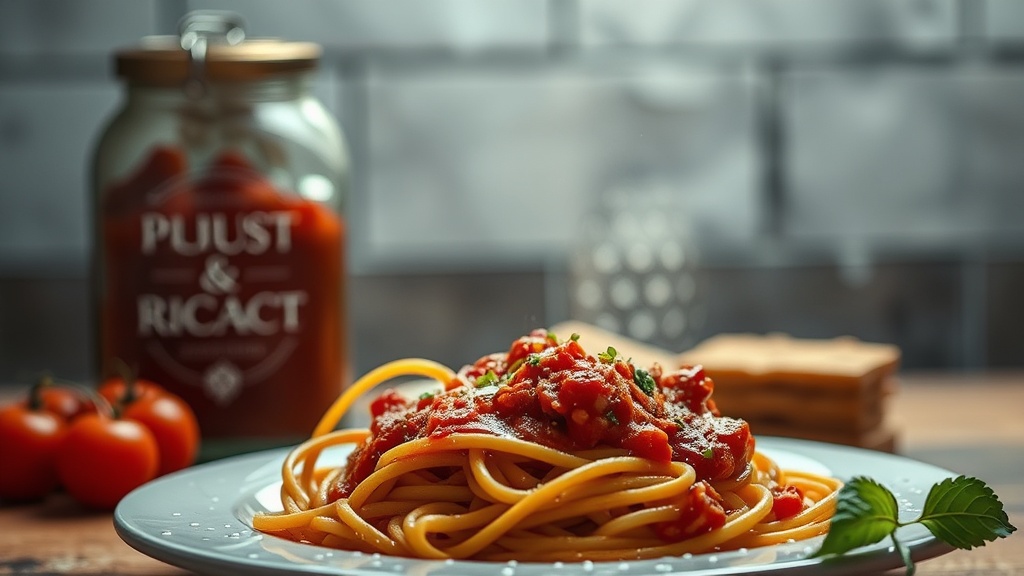
Stop Throwing Away Your Leftover Pasta Sauce

You are going to learn how to transform leftover marinara, Bolognese, or plain tomato sauce into completely different, high-value meals instead of letting it sit in the back of the fridge until it grows fuzz. We're talking about turning a single jar or pot of sauce into breakfast, lunch, and dinner to save money and reduce food waste.
I used to be the person who made a massive batch of meat sauce on Sunday, only to see a lonely, half-empty jar in the fridge by Wednesday. It felt like throwing money directly into the trash can. It's not just about the sauce; it's about the time and effort you spent making it. Now, I treat leftover sauce like a base ingredient rather than a finished meal.
How Can I Use Leftover Pasta Sauce for Different Meals?
You can use leftover pasta sauce as a base for breakfast eggs, a savory filling for lunch wraps, or a rich sauce for dinner pasta or baked dishes. The beauty of a good tomato sauce is that it's already seasoned, which means you've done half the work for your next meal.
Breakfast: The Savory Twist
Don't feel like you have to stick to cereal or toast every single morning. If you have a little leftover sauce, try a "Shakshuka-style" breakfast. It's basically just poaching eggs in a small pan of warmed-up sauce. It's fast, filling, and feels a lot fancier than it actually is.
Lunch: The Quick Fix
Leftover sauce is a lifesaver for quick lunches. You can stir a few spoonfuls into a bowl of rice or use it to flavor a quick bean chili. If you have leftover meat sauce (Bolognese), it works beautifully as a filling for a quick quesadilla or a savory wrap. It adds moisture and flavor without needing a whole new recipe.
Dinner: The Big Transformation
This is where the real magic happens. Instead of just eating the same pasta again, use that sauce to build something new. A little sauce and a bit of cheese can turn leftovers into a baked ziti or a hearty lasagna. It changes the texture and the "vibe" of the meal so you don't feel like you're eating "yesterday's dinner."
If you're worried about the quality of your ingredients, make sure you're storing your sauces correctly. I actually wrote about why leftover rice gets hard, and the same logic applies to many leftovers—storage and temperature matter for texture and safety.
How Long Does Leftover Pasta Sauce Last in the Fridge?
Leftover pasta sauce typically stays safe and tasty in the refrigerator for three to five days if it is stored in an airtight container. If you're dealing with a sauce that contains meat or dairy, you really need to keep a close eye on that timeline.
According to the USDA guidelines, leftovers should be refrigerated promptly to prevent bacterial growth. I always use clear, airtight glass containers—brands like Pyrex or Rubbermaid are great for this—so I can see exactly what's in there. If the sauce looks separated or smells slightly sour, toss it. It's not worth the risk of a stomach ache.
Storage Tips for Longevity:
- Cool it down: Never put steaming hot sauce directly into the fridge; let it reach room temperature first.
- Airtight is key: Use a lid that seals tight to prevent the sauce from absorbing "fridge smells" (like that onion from last night's dinner).
- Portion it out: If you have a massive pot of sauce, freeze it in smaller portions now rather than later.
If you find you have way too much sauce to use in a week, don't hesitate to use the freezer. I keep a stash of frozen sauce in my freezer that I can grab whenever I'm in a pinch.
What Are the Best Ways to Repurpose Tomato Sauce?
The best way to repurpose sauce is to change its "identity" by adding a new protein, a different starch, or a different cheese. This prevents "palate fatigue"—that feeling of being bored with your food.
Here is a quick breakdown of how to pivot your sauce into a new meal:
| Original Sauce Type | New Meal Idea | What to Add |
|---|---|---|
| Plain Marinara | Pizza/Flatbread | Mozzarella, pepperoni, or veggies |
| Meat Sauce (Bolognese) | Baked Potatoes | Shredded cheese and green onions |
| Tomato & Garlic Sauce | Shakshuka | Eggs, feta, and crusty bread |
| Spicy Arrabbiata | Chicken Stew | Cooked chicken and white beans |
I love the "Baked Potato" trick. If I have a little meat sauce left over, I don't make a whole new meal. I just bake a couple of large russet potatoes, scoop them open, and top them with the sauce and a bit of cheese. It's a zero-effort dinner that feels much more substantial than a basic potato.
Another favorite of mine is the "Pizza Trick." If you have a jar of sauce that's nearly empty, don't throw it away! Spread the remaining bits on a piece of pita bread or a tortilla, add some cheese, and pop it in the oven. It's basically a homemade pizza that uses up every last drop of that sauce.
When I'm prepping my pantry, I'm very careful about my spices. Using the right spices can help mask the fact that a sauce is a few days old. If you want to keep your spices in top shape, check out my post on how to store spices to ensure they still have punch when you need them.
One thing to watch out for: if you're using a sauce that has a lot of cream or cheese in it (like a vodka sauce), it might thicken up significantly in the fridge. Don't panic! Just add a splash of water, broth, or even a little milk when you're reheating it to bring back that silky texture.
For those of you who are more "set it and forget it" types, the freezer is your best friend. If you see a jar of sauce that's half-full, don't leave it in the fridge for five days. Pour it into an ice cube tray. Once they are frozen, pop them into a freezer bag. Now you have "sauce cubes" you can toss into soups or stir-fries for an instant flavor boost. It's much easier than defrosting a whole jar just to use two tablespoons.
If you're ever unsure about the safety of your food, the CDC website has excellent resources on food-borne illnesses and how to keep your kitchen safe. It's better to be safe than sorry, especially with kids in the house!
The goal isn't just to save the sauce; it's to change your mindset about what "leftovers" are. They aren't just leftovers—they are the starting point for your next meal. It's about being resourceful and making sure every dollar you spend at the grocery store works as hard as possible for your family.