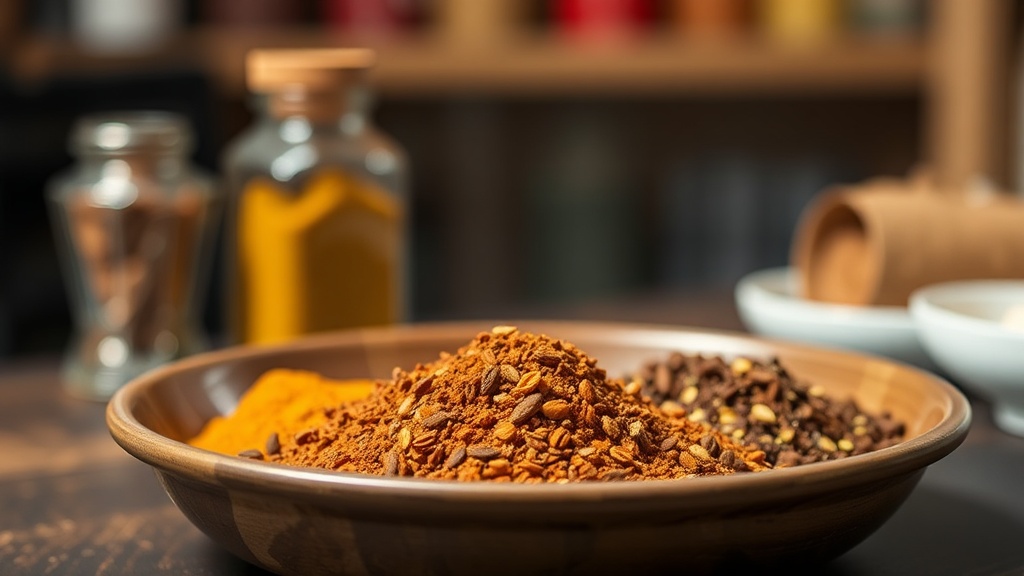
Stop Wasting Your Spices with These Storage Secrets

Avoid the Heat of the Stove
Darkness is Your Best Friend
The Humidity Problem
Imagine you're halfway through making a quick taco Tuesday dinner when you reach for the cumin, only to find a clump of gray, lifeless powder that smells like nothing. You shake the jar, but the lid won't budge because the spice has turned into a solid brick. You end up reaching for a different, more expensive jar or, worse, skipping the seasoning entirely. This post is about making sure that never happens to you by teaching you how to store, organize, and protect your spice collection so every cent you spend on flavor actually makes it into the pan.
Why Do Spices Lose Their Flavor So Quickly?
Spices lose their potency primarily because of exposure to light, heat, moisture, and oxygen. When these four elements hit your spices, they trigger a chemical reaction that breaks down the oils responsible for that punchy aroma and taste. It's not just about the spice looking old—it's about it being useless. If you keep your spices on a shelf right above a steaming stove or in a sunny window, you're basically inviting them to expire early.
Heat is the biggest offender here. Most people love to keep their spices right next to the range for easy access, but that's a mistake. The constant temperature spikes from cooking can bake the volatile oils right out of the dried leaves and seeds. You might think you're being efficient, but you're actually shortening the lifespan of your ingredients.
Moisture is another sneaky culprit. If you're using a metal spoon that's even slightly damp to scoop out a pinch of cinnamon, you're introducing water into that jar. This can lead to clumping or, even worse, mold growth. If you've ever noticed your spices looking "crusty" or stuck together, it's likely due to humidity or moisture exposure.
The science of spice actually shows that the essential oils are what provide the flavor. Once those oils oxidize or evaporate, you're left with nothing but colored dust. It’s a waste of money and a waste of your time during a hectic weeknight.
Where Is the Best Place to Store Spices?
The best place to store spices is in a cool, dark, and dry cupboard away from any heat-producing appliances. You want a location that stays at a consistent temperature and doesn't get hit by direct sunlight. A pantry in a central part of the kitchen is usually much better than a shelf directly above the stove or the microwave.
Let's look at the common "wrong" spots to avoid:
- Above the Stove: The heat and steam from your pans will kill the flavor in weeks.
- The Windowsill: Sunlight is a natural bleaching agent and will fade the color and potency of your spices.
- The Top of the Refrigerator: Refrigerators vent heat from the back and bottom, making the top of the unit a warm zone.
- Inside the Oven: It sounds silly, but some people keep "baking spices" there. Don't do it.
I used to keep my spices in a beautiful glass display on my counter. It looked great for a photo, but by the time I actually went to use them, the oregano tasted like old hay. Now, I keep them tucked away in a lower cabinet. It's not as "pretty," but it's much more practical for a busy mom who wants her food to actually taste good.
If you have a small kitchen and no pantry space, consider using a drawer. Drawers are excellent because they keep the spices out of the light and away from the direct heat of the oven. Just make sure you aren't overstuffing them so much that you can't easily grab what you need.
How Can I Keep My Spices Fresh Longer?
You can keep your spices fresh longer by using airtight containers and avoiding contact with moisture and heat. While the original packaging is usually fine, many people prefer transferring spices to uniform glass jars for better organization and a more cohesive look in the pantry.
Here is a quick comparison of different storage methods to help you decide what works for your kitchen:
| Storage Method | Pros | Cons |
|---|---|---|
| Original Store Packaging | No extra work needed. | Often flimsy; bad seals. |
| Glass Spice Jars | Looks great; easy to stack. | Can break; light sensitivity. |
| Lightweight; durable. | Can hold onto smells. | |
| Silicone Pouches | Great for travel/camping. | Not ideal for long-term pantry. |
If you use glass jars, make sure they are high-quality. I personally love using small glass jars with bamboo or metal lids, but you have to be careful with light. If your jars are clear, keep them in a dark cabinet. If you want them on display, look for amber-colored glass or opaque tins. This protects the contents from UV rays, which are a major enemy of spice longevity.
One thing I've learned the hard way: never shake a spice jar directly over a steaming pot of soup. The steam will travel up the jar and into the spice. Instead, scoop a little into a small ramekin or a spoon first. This keeps the moisture out of the main container. It's a small habit, but it makes a huge difference in preventing those annoying clumps.
Speaking of keeping things fresh, if you're dealing with fresh herbs instead of dried ones, you'll need a different approach. You might find my post on how to keep herbs fresh for weeks helpful for your next grocery haul.
What Are the Best Ways to Organize a Spice Collection?
The best way to organize spices is by frequency of use rather than just alphabetical order. While an alphabetical system is fine, it doesn't account for the fact that you probably use garlic powder and cinnamon-sugar way more often than nutmeg or cardamom.
I like to group my spices into "functional categories." This helps me find what I need during a 30-minute dinner rush without hunting through twenty different jars. Here is how I break mine down:
- The Daily Drivers: Salt, black pepper, garlic powder, and onion powder. These stay in the most accessible spot.
- The Savory/Meat Spices: Cumin, paprika, chili powder, and oregano. These are for my taco nights and roasted chicken nights.
- The Sweet/Baking Spices: Cinnamon, nutmeg, ginger, and cloves. These usually live in a separate bin or a higher shelf.
- The "Specialty" Spices: Things I only use once a month, like turmeric or star anise. These can go in the back or even in a different cabinet entirely.
If you have a deep cabinet, use tiered "stadium" shelving. These allow you to see the labels of the back rows without having to move the front ones. It saves so much frustration when you're trying to multitask while cooking. You don't want to be digging through a pile of jars while your garlic is starting to burn in the pan.
For those of you with very limited counter or cabinet space, consider a magnetic spice rack. These can attach to the side of your refrigerator or a metal strip on your backsplash. Just be mindful of the heat—if your fridge gets warm on the sides or if your stove is right next to the magnet, you're back to the same old problem.
Lastly, don't be afraid to purge your collection. Every six months, I do a quick "sniff test." If the cumin doesn't smell like anything, or if the dried basil looks like dust, it's time to toss it. It's better to spend a few dollars on a fresh jar than to ruin a perfectly good meal with flavorless ingredients. It's a small investment in the quality of your family's dinners.