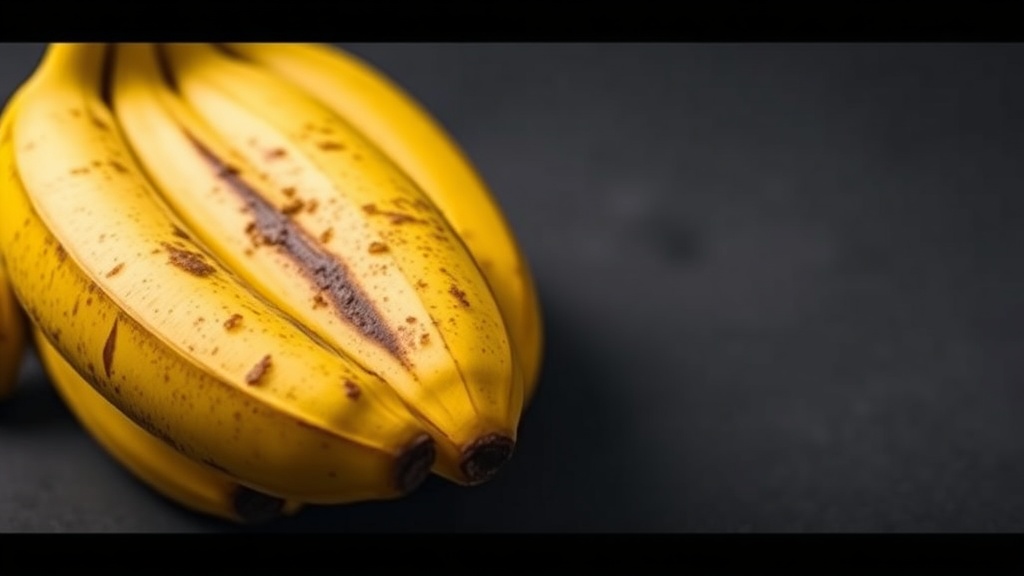
Stop Letting Your Bananas Turn Brown Too Quickly

Wrap the Stems in Plastic Wrap
Keep Them Away from Other Fruit
Store Them in a Cool Spot
Use the Fridge Once They Are Ripe
Most parents assume that the only way to keep bananas fresh is to leave them on the counter and hope for the best. You buy a bunch on Monday, and by Wednesday, half of them are covered in brown spots, making them unappealing for a toddler's snack or a quick breakfast. The truth is that banana ripening is a biological process driven by ethylene gas, and you can actively manipulate that process to save money and reduce food waste. This guide covers specific, actionable methods to slow down ripening, how to store them at different stages, and what to do when they eventually hit that overripe stage so nothing goes to waste.
Understand the Role of Ethylene Gas
Bananas are climacteric fruits, which is a fancy way of saying they continue to ripen after being picked. They produce a natural gas called ethylene. This gas acts as a ripening hormone, signaling the fruit to soften and develop sugars. If you keep a bunch of bananas together in a tight cluster, they are essentially bathing in their own ripening gas, which accelerates the browning process. To extend the life of your fruit, you need to manage how this gas is distributed and how much is being released.
One of the most effective ways to slow this down is to separate the bananas from the bunch. When you get home from the grocery store, use a knife to carefully snip each banana away from the main stem. This breaks the connection that allows ethylene to travel easily from one fruit to the next. By isolating them, you prevent a single "fast riper" from speeding up the entire batch.
The Stem Wrap Technique
If you prefer to keep your bananas in a bunch for convenience, there is one simple trick that actually works: wrap the stems in plastic wrap. The stem is the primary point of ethylene release. By tightly wrapping the stems of the entire bunch with a small piece of plastic wrap (the kind you use for leftovers), you create a physical barrier that traps the gas at the source. This can add an extra two to three days of yellow life to your fruit.
This technique is particularly useful if you are meal prepping for the week. If you know you have a busy week of school lunches ahead, wrapping the stems ensures that the bananas remain firm enough to be sliced into a lunchbox without turning into mush by Tuesday afternoon. This is a much better strategy than the common mistake of putting them in the refrigerator while they are still bright yellow, which can actually damage the texture of the fruit.
Where to Store Your Bananas
Location matters just as much as how you handle the fruit. Most people leave their bananas in a fruit bowl on the kitchen counter, often right next to other produce. This is a mistake if you are also storing apples, avocados, or peaches nearby. Those fruits also produce ethylene gas, and placing them near your bananas creates a "ripening zone" that will cause your bananas to turn brown almost overnight.
Keep your banana bowl in a cool, well-ventilated area, away from direct sunlight and heat sources like the toaster or the oven. If your kitchen gets very hot during afternoon cooking, move the fruit bowl to a pantry or a different counter. Heat accelerates the chemical reactions that lead to balthazar-style browning. If you notice your fruit is going bad too quickly, you might also want to check why your fresh herbs keep wilting in the fridge, as temperature and gas management are common culprits for all fresh produce longevity.
When to Use the Refrigerator
There is a lot of conflicting advice about putting bananas in the fridge. To be clear: do not put bright yellow, firm bananas in the refrigerator. The cold temperature will cause the skin to turn dark brown or even black almost immediately due to cell damage, and the texture can become unpleasantly mealy. However, the refrigerator is a lifesaver once the bananas have reached your desired level of ripeness.
Once the bananas have the perfect amount of yellow color and just a few tiny spots, peel them and place them in an airtight container or a heavy-duty Ziploc bag. This will preserve the fruit inside for several days. Alternatively, you can keep the skins on and put the whole fruit in the fridge; while the skin will look unappealing and dark, the actual fruit inside will remain firm and edible for much longer than it would on the counter. This is a great way to "pause" the ripening process once they hit that peak sweetness.
How to Handle Overripe Bananas
Eventually, your bananas will reach the stage where they are too soft for a snack and too brown for a lunchbox. Instead of throwing them in the trash, use them as a base for budget-friendly ingredients. Overripe bananas are actually more valuable in many recipes because their starch has fully converted to sugar, making them much sweeter and easier to blend.
- Freeze for Smoothies: Peel the bananas, break them into chunks, and freeze them in a single layer on a baking sheet before transferring to a bag. This prevents them from clumping into one giant block. Frozen bananas create a much creamier texture in smoothies than ice cubes do.
- Make Banana Bread: This is the classic way to use "ugly" fruit. The darker the banana, the better the flavor in your quick breads.
- Homemade Banana Puree: If you have kids who are picky about textures, blend overripe bananas into a smooth puree. You can use this in oatmeal, pancake batter, or even as a natural sweetener in yogurt.
Common Banana Mistakes to Avoid
To keep your kitchen running smoothly and your food budget intact, avoid these frequent errors:
- Storing them near potatoes: Potatoes release gases that can cause many types of produce to spoil, and the proximity of bananas to potatoes in a pantry is a recipe for fast browning.
- Ignoring the "Early Ripener": If you see one banana in the bunch is already starting to get soft or dark, remove it immediately. That one banana is a signal to the rest of the bunch to speed up.
- Buying too many at once: If you don't have a plan for using frozen bananas, don't buy the large, cheap bunches. It is often more cost-effective to buy smaller quantities or even a mix of green and yellow bananas to spread out the ripening process.
Managing your produce is a small part of successful meal planning. Just as you might learn how to prep 5 family dinners in one hour to save time, learning these small storage hacks will save you money and prevent the frustration of discovering a bowl of mushy fruit right when you need a quick snack for the kids.
By understanding that bananas are a living, breathing part of your pantry, you can control the timeline. Separate the stems, wrap them to trap gas, keep them away from heat, and don't be afraid to use the refrigerator once they hit peak sweetness. This simple shift in how you handle your grocery haul will keep your kitchen more efficient and your food waste to a minimum.