Why Your Ground Beef Turns Brown and Gray in the Package

You pull a package of ground beef from the refrigerator to start your Tuesday night taco meat, only to find the meat looks dull, grayish, or even slightly brown instead of the bright red you expected. Before you toss it in the trash or worry about food poisoning, you need to understand that color changes in raw meat are often a natural chemical reaction rather than a sign of spoilage. This guide explains exactly why ground beef changes color, how to tell the difference between "safe to cook" and "gone bad," and how to store your meat properly to save money and reduce food waste.
The Science of Color: Myoglobin and Oxidation
The primary reason ground beef changes color is a protein called myoglobin. Myoglobin is the molecule responsible for giving meat its red pigment. When myoglobin is exposed to oxygen, it turns a bright, cherry-red color. This is what you see in the meat display at stores like Kroger or Publix. However, once the meat is packaged, the chemical environment changes.
The Role of Oxygen Exposure
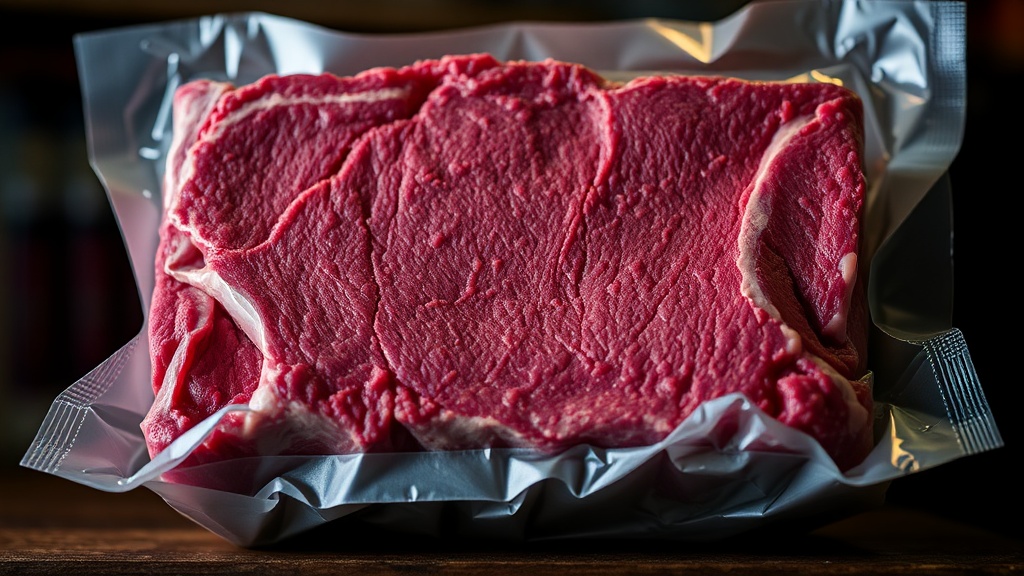
When meat is vacuum-sealed or wrapped tightly in plastic, it is deprived of oxygen. In this low-oxygen environment, myoglobin converts into oxymyoglobin (the red color) or metmyoglobin (the brown/gray color). This process is called oxidation. Even if the meat is in a standard grocery store tray with plastic wrap, the amount of oxygen trapped inside is limited. As the oxygen is used up or reacts with the meat, the color shifts from red to a brownish hue.
The Impact of Temperature and pH
Temperature also plays a role in how quickly these color changes occur. If the meat sits in a slightly warmer part of the grocery store cart or if your refrigerator temperature fluctuates, the chemical breakdown of myoglobins can accelerate. Additionally, the pH level of the meat—which is influenced by how the animal was processed—can dictate how stable that red color remains during storage.
How to Distulate Safe Meat from Spoiled Meat
As a parent on a budget, the last thing I want to do is throw away expensive protein, but I also won't risk my family's health. You cannot rely on color alone to determine if meat is safe to eat. You must use a multi-sensory approach to check for spoilage.
1. The Smell Test
This is your most reliable indicator. Fresh ground beef should have a very faint, metallic scent or almost no scent at all. If you open the package and detect a sour, ammonia-like, or "funky" odor, the meat has begun to spoil. If the smell is strong enough to be noticeable the moment you break the seal, do not cook it. Even if you cook it to a high internal temperature, the off-flavors will remain, and the bacteria are already present.
2. The Texture Test
Touch the meat. Fresh ground beef should feel moist but not slimy. If the surface of the beef feels slippery, tacky, or has a distinct "slimy" coating that stays on your fingers, this is a sign of bacterial growth. While some moisture (purge) is normal in a meat tray, a thick, viscous slime is a red flag that the proteins are breaking down and bacteria are multiplying.
3. The Visual Check (Beyond Color)
While we have established that gray or brown color is often just oxidation, look for other visual cues. If you see any signs of mold, or if the meat looks unusually iridescent or has a greenish tint, discard it immediately. A dull gray color is usually fine, but a greenish hue is a definitive sign of spoilage.
Common Reasons for Premature Browning
If you find that your ground beef is turning gray faster than the "Use By" date on the package, one of the following factors is likely to blame:
- Poor Packaging: If the plastic wrap is torn or if the vacuum seal is broken, more oxygen enters the package, speeding up the oxidation process.
- High Surface Area: Ground beef has much more surface area than a solid steak. Because the meat is "broken up," more of the myoglobin is exposed to the air, making it more susceptible to rapid color changes.
- Light Exposure: If you keep your meat in the refrigerator door instead of the back or bottom shelf, the light exposure can accelerate the breakdown of pigments.
- Improper Refrigeration: If your refrigerator is set above 40°F (4°C), the metabolic processes of bacteria and the chemical breakdown of the meat will accelerate significantly.
Practical Tips for Storing Ground Beef
To get the most out of your grocery budget, follow these practical steps to extend the life and quality of your meat.
Use Airtight Containers
When you get home from the store, move your ground beef from the flimsy grocery store tray into a heavy-duty, airtight container or a high-quality freezer bag. Removing as much air as possible from the container will help slow down the oxidation process. If you are using a Ziploc-style bag, squeeze out every bit of air before sealing it.
The Freezer is Your Best Friend
If you aren't planning to use your ground beef within two days of purchase, move it to the freezer immediately. To prevent freezer burn—which also causes discoloration and texture changes—wrap the meat tightly in plastic wrap and then place it inside a freezer-safe bag. This creates a double barrier against air. For even better results, consider "portioning" your meat. If you bought a 3-pound pack, divide it into 1-pound portions before freezing so you only thaw what you need.
Keep It in the Coldest Part of the Fridge
Always store raw meat on the bottom shelf of your refrigerator. This is typically the coldest area, and it also prevents any juices from dripping onto other foods, which is a critical food safety practice. If you are prepping meals for the week, check your fridge thermometer to ensure it stays at or below 38°F.
A Quick Reference Guide for Meat Color
Keep this mental checklist when you are standing in your kitchen deciding whether to cook:
| Appearance | Likely Cause | Action |
|---|---|---|
| Bright Red | Oxygen exposure (Normal) | Cook as usual |
| Dull Gray/Brown | Oxidation (Normal) | Smell it; if it smells fine, cook it |
| Greenish Tint | Bacterial Spoilage | Discard immediately |
| Slimy/Tacky Texture | Bacterial Growth | Discard immediately |
| Sour/Ammonia Smell | Bacterial Spoilage | Discard immediately |
Understanding the difference between a harmless color change and actual spoilage can save you a lot of money and prevent unnecessary food waste. Most of the time, that gray beef is perfectly safe to throw into a pan for spaghetti sauce or chili. Just remember: trust your nose and your sense of touch more than your eyes.