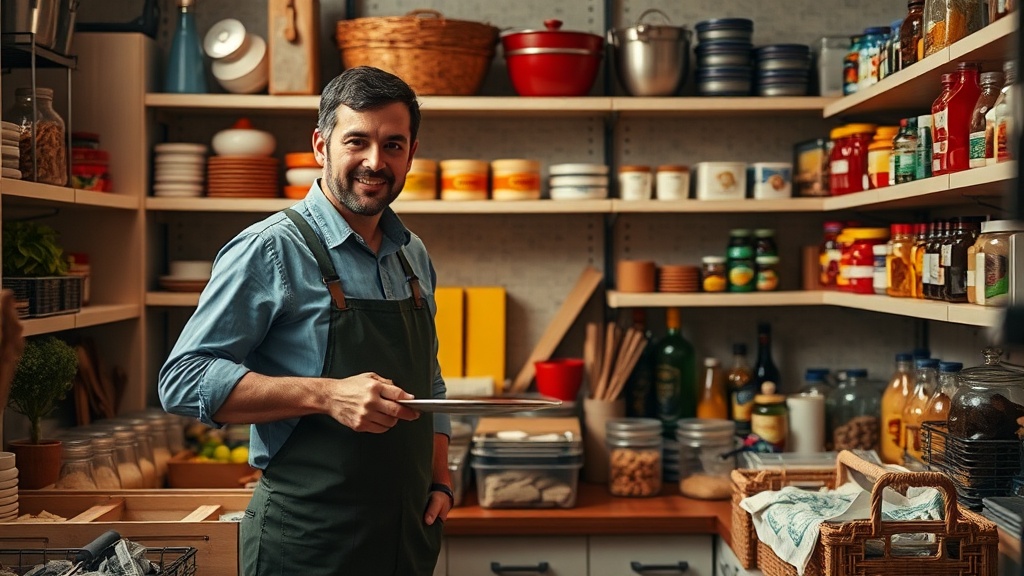
Ways to Build a Better Pantry Without Breaking the Bank

The high cost of a single grocery trip can rise by over 20% in a single year, leaving many families staring at empty shelves and even emptier bank accounts.
Building a pantry that actually supports a busy family isn't about having a massive collection of gourmet oils or rare spices. It's about having the right foundation—the stuff that stays shelf-stable and keeps you from having to run to the store when a sudden craving hits or when the kids are actually behaving for once. This post looks at the specific categories of food you should prioritize to ensure you can whip up a meal even when your fridge looks a little bare. We're focusing on high-yield, low-cost items that turn into real meals rather than just ingredients.
What are the best pantry staples for budget-friendly meals?
If you want to stop the cycle of expensive takeout, you need to focus on the heavy hitters. I'm talking about the items that provide bulk and nutrition without the high price tag. These aren't just "food items"; they are the building blocks of a meal. When I was teaching preschool, I used to think about "fueling bodies," but now that I'm a mom of three, I think about "fueling families without a meltdown." A well-stocked pantry is your best defense against the 5:00 PM panic.
- Grains: Think long-grain white rice, brown rice, oats, and various pasta shapes. These are incredibly cheap per serving and provide the base for almost any meal.
- Legumes: Dried beans and lentils are some of the most cost-effective ways to add protein and fiber to your diet. Even canned beans are a lifesaver on those nights when you don't have time to soak things overnight.
- Canned Goods: Diced tomatoes, tomato paste, and various beans. These provide the liquid and acidity needed to turn dry grains and beans into a hearty stew or sauce.
- Healthy Fats and Oils: A standard olive oil for cooking and perhaps a more neutral oil for high-heat tasks.
The trick is to buy these in larger quantities when they are on sale. For instance, a large bag of rice is much more economical than the small boxes. You can find great advice on food stability and storage through resources like the FDA, which helps you understand how long certain items stay safe in your pantry.
How do I keep my pantry organized and fresh?
Organization isn't just about aesthetics; it's about preventing waste. There is nothing more frustrating than finding a bag of flour that has gone rancid because it wasn't stored properly. For a busy parent, organization means being able to see what you have at a glance. If you can't see the lentils, you'll buy more lentils, and then you're just wasting money.
- Use Clear Containers: If you can afford the initial investment, moving grains and pasta into clear, airtight containers is a game-changer. It lets you see exactly how much is left.
- Label Everything: Don't just rely on your memory. A simple piece of masking tape and a marker can save you from a cooking disaster.
- First In, First Out: This is a simple rule from the professional kitchen world. The oldest items should be at the front of the shelf so they get used first.
By following these steps, you're not just organizing; you're managing your inventory. This prevents that "I have nothing for dinner" feeling that leads to expensive delivery orders. It's about being proactive rather than reactive.
Which spices actually matter for everyday cooking?
You don't need a spice rack with fifty different bottles. In fact, most of those are just taking up space. To keep your budget in check, stick to the basics that can be used across multiple cuisines. A well-curated spice kit can make a simple bowl of rice and beans taste like a gourmet meal. If you're looking for more on nutritional standards for spices and seasonings, the Academy of Nutrition and Dietetics offers great insights into balanced eating.
| Spice/Herb | Best Used For | Versatility Level |
|---|---|---|
| Garlic Powder | Almost everything (meats, veggies, pasta) | High |
| Cumin | Chili, tacos, stews, curries | Medium-High |
| Dried Oregano | Italian dishes, pizza, roasted veggies | Medium |
| Smoked Paprika | Adding depth to beans or roasted potatoes | Medium |
| Red Pepper Flakes | Adding heat to any savory dish | Low-Medium |
When you buy spices, try to avoid the tiny, expensive jars in the baking aisle. Often, the bulk section or the larger containers in the international food aisle are much more affordable. It's a small change that adds up over a year.
Another thing to keep in mind is the shelf life of your spices. Spices don't necessarily "go bad" in a way that makes them unsafe, but they do lose their potency. If your dried basil smells like nothing, it's time to toss it. A fresh pantry means vibrant flavors, and vibrant flavors mean your family actually wants to eat the food you're making.
Don't forget about the "flavor boosters" that aren't spices. Things like soy sauce, vinegar (apple cider or balsamic), and even a good quality bouillon or stock can turn a basic meal into something special. These are the items that add the "oomph" to your cooking without requiring a trip to a specialty food store.
At the end of the day, your pantry is a tool. It's the tool that helps you bridge the gap between a busy workday and a nutritious meal. Treat it like an investment in your family's well-being and your monthly budget. When you have the basics on hand, the stress of "what's for dinner" starts to fade, and you can focus on the more important things—like actually enjoying a meal with your family.