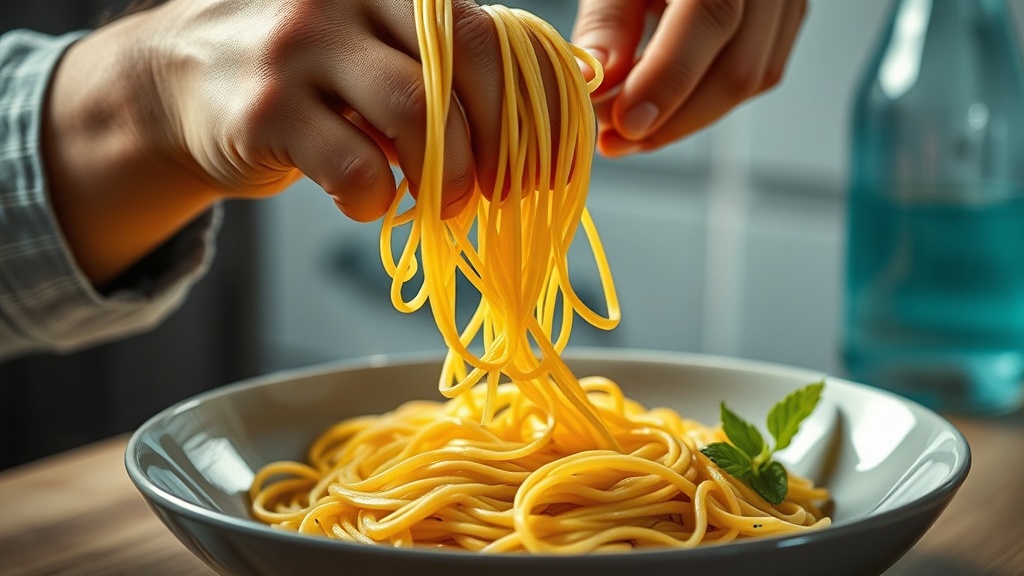
Stop Throwing Away Your Leftover Pasta Water

Quick Tip
Always reserve a cup of starchy pasta water before draining to emulsify and thicken your sauces.
Stop Throwing Away Your Leftover Pasta Water
Most people treat the water left in the colander as nothing more than a chore to pour down the drain. If you are dumping that liquid immediately after draining your noodles, you are actually throwing away one of the most effective, free ingredients in your kitchen. That cloudy, starchy liquid is a secret weapon for creating restaurant-quality sauces at home without spending extra money on heavy creams or expensive thickeners.
The starch suspended in the water acts as a natural emulsifier. This means it helps bind fats (like olive oil, butter, or cheese) to liquids (like tomato sauce or broth), creating a smooth, velvety texture rather than a greasy or separated mess. When you are trying to whip up 30-minute family dinners, this one step can make the difference between a dry, clumpy pasta and a cohesive, delicious meal.
How to Use Pasta Water Effectively
To make this work, you need to change your workflow slightly. Instead of draining the entire pot of water into the sink, use a measuring cup or a large ladle to scoop out about half a cup to a full cup of the liquid before you pour the pasta into the colander. This ensures you have enough to work with even if the pasta absorbs most of it.
Here are three practical ways to use it tonight:
- Creamy Pan Sauces: If you are making a simple lemon and butter sauce or a garlic oil sauce (like an Aglio e Olio), add a splash of the starchy water to the pan. It will help the fat and the citrus juice meld into a silky sauce that clings to the noodles.
- Thickening Tomato Sauces: If your jarred marinara or homemade sauce looks a bit thin or watery, stir in a bit of the pasta water. The starch will help the sauce coat the pasta more effectively.
- Risotto-Style Textures: Even if you aren't making actual risotto, adding starchy water to a pan of sautéed vegetables and grains can create a creamy, comforting texture without adding extra calories or heavy cream.
A Quick Tip for Success
Keep in mind that the water should be salty, but not over-salted. Since the water is already seasoned from the boiling process, you don't need to add more salt to the sauce itself until you have tasted the final product. This prevents your dinner from becoming overly salty. If you are using a high-quality dried pasta like Barilla or De Cecco, the starch content is usually quite high, making the water especially effective for your sauces.