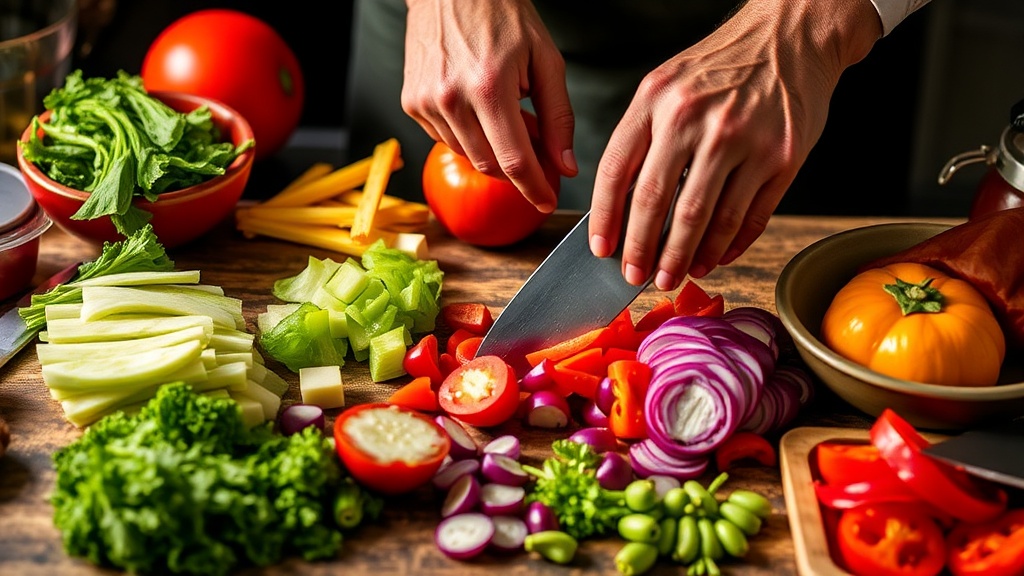
Stop Buying Pre-Cut Produce and Start Using These Budget-Friendly Prep Methods

Most people think that buying pre-cut vegetables and pre-washed greens is a smart way to save time, but it's actually a trap that drains your grocery budget every single week. While it looks like a time-saver on the surface, you're paying a massive markup for someone else to do a job you can do in minutes. This post covers how to prep your own produce at home to save money and keep your food fresher for longer.
When you buy those little plastic containers of chopped onions or pre-sliced bell peppers, you aren't just paying for the labor—you're paying for the packaging and the convenience. For a busy parent, that extra ten minutes of chopping feels like a luxury, but over a month, those costs add up to dozens of dollars that could have gone toward better quality proteins or even just a much-needed coffee. We're going to look at how to get back to the basics without making it a chore.
How do I keep chopped vegetables fresh in the fridge?
The biggest mistake people make when prepping at home is not understanding how moisture affects food. If you chop your vegetables and throw them in a plastic bag without a plan, they'll be mushy by Tuesday. To keep things fresh, you need to manage air and moisture. For leafy greens like spinach or kale, wash them, spin them dry in a salad spinner, and then store them in a container with a dry paper towel. The paper towel absorbs any excess moisture that would otherwise lead to rot.
For harder vegetables like carrots or celery, there's a trick that works every time: water. If you chop carrots or celery, place them in a container submerged in water. This keeps them incredibly crisp and crunchy for much longer than if they were just sitting in a dry container. Just remember to change the water every few days to keep it fresh. If you're prepping onions or garlic, keep them in airtight glass jars; they have a much stronger scent and can easily contaminate other foods if left exposed.
Can I freeze chopped vegetables for later use?
Absolutely, and this is where the real money-saving happens. Most people think you can only freeze whole vegetables, but you can actually freeze just about anything if you do it right. For vegetables like corn, peas, or even diced carrots, the best method is the blanching technique. You'll want to boil them for a few minutes, then immediately plunge them into an ice bath to stop the cooking process. This preserves the color and texture. If you skip this, your vegetables will be a gray, mushy mess when you finally cook them.
If you're in a rush and don't have time for blanching, you can still use the freezer to your advantage. Many hearty vegetables like squash or even bits of onion can be frozen raw, though they might change texture slightly once thawed. For more detailed instructions on food safety and freezing, the USDA Food Safety guidelines are a gold standard for making sure your prep stays safe for the family.
What are the best tools for quick vegetable prep?
You don't need a kitchen full of expensive gadgets to be efficient. In fact, most of the high-end-looking tools are just unnecessary. A single, sharp chef's knife and a sturdy cutting board are the only real essentials. If you're a beginner, a way to keep your fingers safe is a must. I always recommend a basic vegetable mandoline for slicing things like cucumbers or radishes, but please use it with the safety guard—it's easy to get a nick if you aren't careful.
- A Sharp Chef's Knife: A dull knife is actually more dangerous because you have to apply more pressure, which increases the chance of slipping.
- A Salad Spinner: This is the one "luxury" tool that is actually worth it. It gets your greens dry enough to store without them turning into a slimy mess.
- Glass Containers: Plastic can stain and hold onto odors, so glass is much better for storing chopped aromatics like garlic or ginger.
Using these tools properly turns a chore into a routine. I usually spend about thirty minutes on a Sunday evening chopping the basics—onions, peppers, and carrots—and that single block of time saves me from the "what's for dinner" panic on a Wednesday night. It's about working smarter, not harder.
Why does my prepped food spoil so quickly?
It usually comes down to one of three things: moisture, temperature, or air exposure. If your vegetables are wilting, they are likely losing moisture to the air. If they are getting slimy, there is too much moisture trapped in the container. If you're seeing mold, the temperature in your fridge might be too inconsistent or the container wasn't airtight enough. Always ensure your fridge is set to the correct temperature—below 40°F (4°C)—to keep your prep from spoiling prematurely. You can check your refrigerator's temperature with a simple thermometer to be sure.
Another thing to watch out for is the "cross-contamination" of scents. If you chop a bunch of onions and put them in a container with a loose lid, your milk and butter will taste like onions by morning. Always use airtight glass or high-quality BPA-free plastic containers. For more information on food storage and shelf life, the FoodSafety.gov website offers great resources on how to manage your kitchen inventory.
When you start doing this, you'll notice two things: your grocery bill goes down, and your cooking becomes much faster. Instead of pulling out a cutting board and a knife every single night, you're just grabbing a container and throwing it in the pan. It's a small shift in habit that makes a massive difference in the long run for anyone trying to manage a household on a budget.