Smart Moves at the Supermarket: Feeding Your Family Without Breaking the Bank

Smart Moves at the Supermarket: Feeding Your Family Without Breaking the Bank
Did you know the average American household throws away approximately $2,913 worth of food every year? That’s not just a statistic; it’s money that could be going toward anything from dance classes to college savings, or even just a little breathing room in your family’s budget. This post isn’t about shaming anyone for food waste — let’s be real, life with kids is messy and unpredictable — but it is about equipping you with practical, no-nonsense strategies for grocery shopping. We’ll explore everything from savvy planning to smart store tactics, proving that feeding a hungry crew doesn’t have to empty your wallet. It’s about getting good, nutritious meals on the table efficiently and affordably, without losing your mind in the process.
How can I plan my meals to save money on groceries?
The foundation of a budget-friendly grocery haul starts long before you even step foot in the store. It begins in your kitchen, with a thoughtful meal plan.
- Start with What You Have: Before you even think about new recipes or shiny sales flyers, open your pantry, fridge, and freezer. What ingredients are already lurking there? Build your weekly menu around these items first. Using up what you have prevents waste and ensures you’re not buying duplicates. Maybe you have a bag of lentils that could become a hearty soup, or some frozen chicken that’s perfect for a sheet pan dinner.
- Build a Flexible Weekly Menu: Flexibility is key, especially with a busy family. Plan for 5-6 dinners, leaving a night or two for leftovers, a simple “scrounge night,” or even an impromptu meal out if your budget allows. This prevents you from over-buying for every single meal, and it gives you wiggle room if plans change. When you’re thinking about meals, consider recipes that share ingredients — like using half a head of cabbage in stir-fry and the other half in a quick slaw later in the week.
- Check Those Sales Flyers: This is where the real savings begin! Look at your local grocery store’s weekly ads before you plan your meals. Are chicken thighs on a great sale? Awesome, plan a few chicken dishes! Are seasonal vegetables abundant and cheap? Build your sides around them. Don’t just buy what’s on sale; incorporate those sale items into your meal plan.
- Make a Detailed List (and Stick to It!): Once your meal plan is set and you’ve checked your existing inventory and sales flyers, create a precise shopping list. Group items by section of the grocery store to make your trip efficient. And here’s the golden rule: stick to your list. Impulse buys are budget killers, and they often lead to food waste. Think of your list as your shopping blueprint – veer from it only for truly unexpected, truly great deals (and only if you know you’ll use it!).
What are the best ways to save money while I'm at the grocery store?
Armed with your smart meal plan and detailed list, you’re ready to tackle the supermarket. But the savings don’t stop at the planning stage; there are plenty of tactics you can employ while you’re actually shopping.
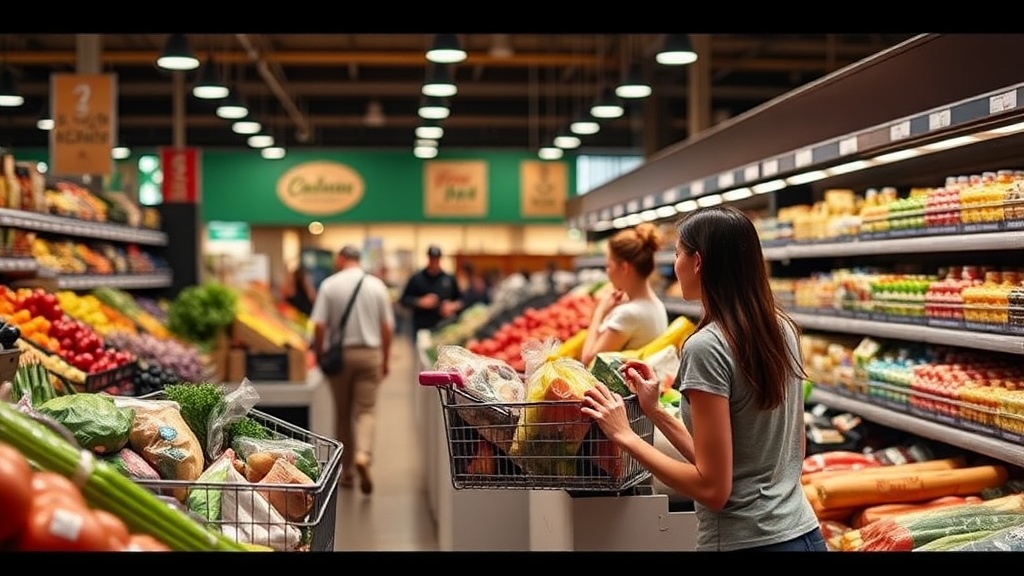
- Shop the Perimeter, Mostly: Fresh produce, dairy, meat, and seafood are typically found around the outer edges of the grocery store. These are the ingredients that form the backbone of healthy family meals. The middle aisles often house more processed, packaged foods which tend to be pricier and less nutrient-dense. Of course, you’ll need to venture into the middle for pantry staples like rice, pasta, canned goods, and spices — just be strategic about it.
- Compare Unit Prices: This is a simple trick that yields big savings. Don’t just look at the overall price; look at the unit price (price per ounce, per pound, etc.), which is usually printed on the shelf label in smaller print. A larger package might seem like a better deal, but sometimes it isn’t! This is especially helpful for things like cereal, snacks, and even frozen vegetables.
- Buy in Bulk Smartly: Bulk buying can be a fantastic way to save money, but only if you actually use what you buy. Think non-perishable pantry staples like dried beans, rice, pasta, or oats. For perishables like meat or certain produce, buy in bulk when it’s on a significant sale and you have a plan to use or freeze it properly. For example, if chicken breasts are half price, buy a larger pack and portion it out for several meals, freezing what you won’t use immediately.
- Don’t Shop Hungry!: This might sound obvious, but it’s a game-changer. When you’re hungry, everything looks good, and you’re far more likely to toss tempting (and often expensive) treats into your cart. Grab a quick snack before you head out, and you’ll find it much easier to make rational decisions.
- Store Brands vs. Name Brands: Many store-brand products are made in the same factories as their name-brand counterparts, often with identical ingredients and quality, but at a fraction of the cost. Give them a try for things like canned goods, spices, pasta, and even dairy products. You might be pleasantly surprised by the quality — and your wallet will thank you!
- Embrace Digital Coupons: Gone are the days of clipping dozens of paper coupons (unless you enjoy that, then by all means!). Most grocery stores now offer digital coupons through their apps or websites. Before you shop, take a few minutes to load relevant coupons for items on your list. These small savings add up quickly!
How do I make my grocery haul last longer?
Bringing home a full cart of groceries is just the first step. To truly maximize your budget and prevent that costly food waste (remember that $2,913 statistic from the EPA?), knowing how to store your food properly is crucial. Improper storage is one of the biggest culprits behind food going bad before you can use it.
- Master Proper Storage Techniques: Different foods have different storage needs. For example:
- Produce: Some fruits and vegetables, like bananas and tomatoes, prefer to be stored at room temperature until ripe. Others, like leafy greens, berries, and most vegetables, do best in the crisper drawer of your fridge. Store apples and potatoes separately, as apples release ethylene gas that can speed up potato spoilage.
- Dairy: Keep milk, yogurt, and cheese in the coldest part of your fridge (usually the back of the top or middle shelf).
- Meat: Store raw meat and poultry on the bottom shelf of your fridge to prevent any juices from dripping onto other foods. If you won’t use it within a day or two, freeze it immediately.