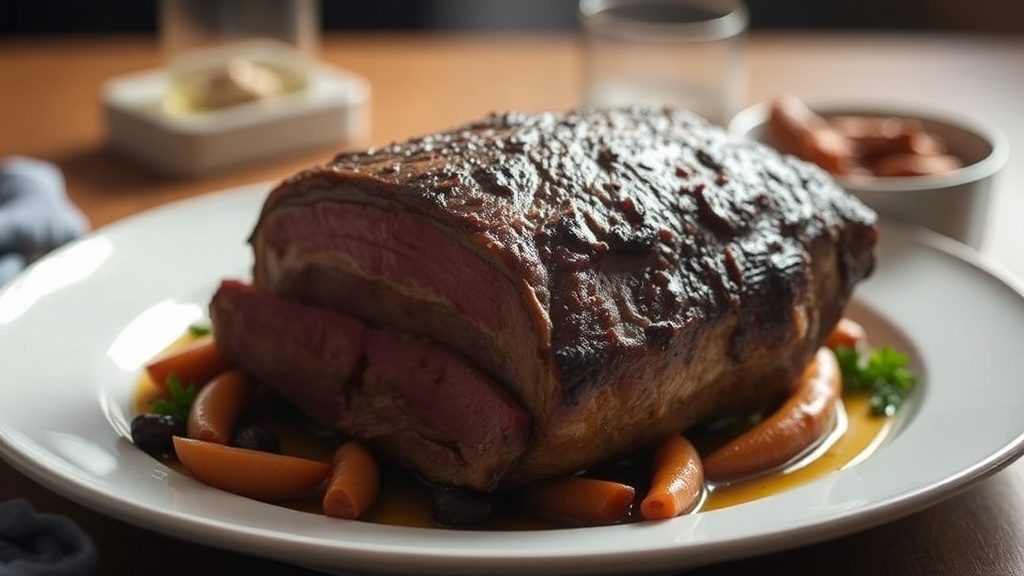
One Roast, Endless Dinners: Your Secret Weapon for Weeknight Wins

Did you know that American households are responsible for nearly 43% of all food waste? That's more than restaurants, grocery stores, and farms combined! It’s a staggering amount, especially when you’re a busy parent trying to stretch every dollar. But what if I told you there’s a simple, budget-friendly strategy that tackles food waste, saves you precious time, and keeps dinner exciting all week long? Enter the humble roast—not just for Sunday supper anymore, but a versatile centerpiece that can be transformed into multiple delicious meals.
This isn't about eating the same leftovers for five days straight. No, my friend. This is about smart cooking, where a single effort in the kitchen yields a bounty of ingredients ready to be reinvented into entirely new dishes. Think of it as a culinary choose-your-own-adventure for the week ahead. We're going to dive into how to pick your roast, cook it simply, and then creatively repurpose it into a varied menu that will make your weeknights smoother, your wallet happier, and your family cheering for dinner — without losing your mind.
How can one roast feed a family all week?
The magic begins with selecting the right starting point. While a whole roasted chicken is a classic choice and incredibly versatile, don't overlook other budget-friendly options. A pork shoulder, beef chuck roast, or even a large turkey breast can serve as an excellent foundation. These cuts are often more economical per pound and yield plenty of meat, perfect for shredding, cubing, or slicing. Look for sales at your local grocery store to maximize your savings.
The key to multi-meal success is a straightforward cooking method that leaves the meat flavorful but not tied to one specific cuisine. For chicken, a simple rub of salt, pepper, garlic powder, and paprika works wonders. Roast it until cooked through and juicy. For pork or beef, a slow cooker or oven braise with minimal liquid (perhaps just a cup of broth or water) and basic aromatics like onions and garlic will tenderize the meat beautifully, making it easy to shred later. The goal here is deliciousness and a blank canvas for future meals.
Your first meal can be a traditional roast dinner, complete with some easy sides. Maybe roasted vegetables cooked alongside the meat, or a quick mashed potato. Enjoy the fruits of your initial labor! But remember, the moment that meal is over, your roast transforms from dinner to an ingredient for future culinary adventures. Promptly cool and refrigerate any remaining meat – this is crucial for food safety and setting yourself up for success.
What are the best ways to reinvent leftover roast?
Here’s where the fun begins. With your cooked, cooled roast ready to go, the possibilities are vast. The trick is to think beyond simply reheating and instead, imagine how the meat can be incorporated into completely different dishes. Here are some of my go-to transformations:
- Taco Tuesday (or any day!): Shredded chicken or pork makes for incredible tacos or burritos. Sauté the shredded meat with a little taco seasoning, add your favorite toppings—salsa, cheese, lettuce, avocado—and you’ve got a quick, crowd-pleasing meal.
- Hearty Sandwiches or Wraps: Thinly slice or shred the meat and pile it onto bread or into a tortilla with some fresh greens, a slice of cheese, and a dollop of mayo or mustard. A quick reheat in a pan or microwave can warm the meat through.
- Soups, Stews, or Chilis: Cubed or shredded roast is a fantastic addition to almost any soup or stew. Think chicken noodle, hearty vegetable and beef stew, or a white bean chicken chili. It adds protein and flavor without needing to cook meat from scratch.
- Crisp Salads: For a lighter meal, chop the cold roast into bite-sized pieces and toss with mixed greens, a medley of colorful vegetables, and your favorite vinaigrette. This is perfect for a quick lunch or a refreshing dinner.
- Pasta Power-Up: Stir shredded chicken or pork into a simple pasta sauce, like marinara or a creamy Alfredo, for a comforting and complete meal.
- Quick Stir-Fries: Dice the meat and toss it into a vibrant vegetable stir-fry with a savory sauce. Serve over rice or noodles for a super speedy dinner.
Don't forget the bones, especially if you roasted a whole chicken or a bone-in pork shoulder! They make incredibly flavorful broth, which can then be used as the base for future soups, risottos, or to cook grains. It’s the ultimate zero-waste win, extracting every last bit of goodness from your initial investment.
Beyond the plate, how do I store and reheat for best results?
Smart storage and reheating are key to making your roast last and keeping your family safe. After your initial meal, cool any leftover meat as quickly as possible—ideally within two hours. Dividing large quantities into shallow containers helps speed up this process. Once cool, store the meat in airtight containers in the refrigerator. Cooked meat is typically safe to eat for 3 to 4 days when stored properly in the fridge. For longer storage, the freezer is your best friend!
Portioning your meat before freezing is a game-changer. Instead of freezing one giant block, divide it into meal-sized portions. This way, you can grab just what you need without thawing the whole batch. Label everything with the date and contents. Most cooked meats will maintain quality in the freezer for 2 to 6 months, though they remain safe indefinitely.
When it's time to reheat, food safety is paramount. Always ensure that all reheated leftovers reach an internal temperature of 165°F (74°C) to kill any potential bacteria. A food thermometer is your best tool here. Reheating methods like the microwave, oven, or stovetop are all suitable, but avoid using slow cookers or chafing dishes for reheating, as they may not heat food quickly enough to keep it out of the temperature “danger zone” (between 40°F and 140°F). For comprehensive guidelines on safe food handling and reheating, the