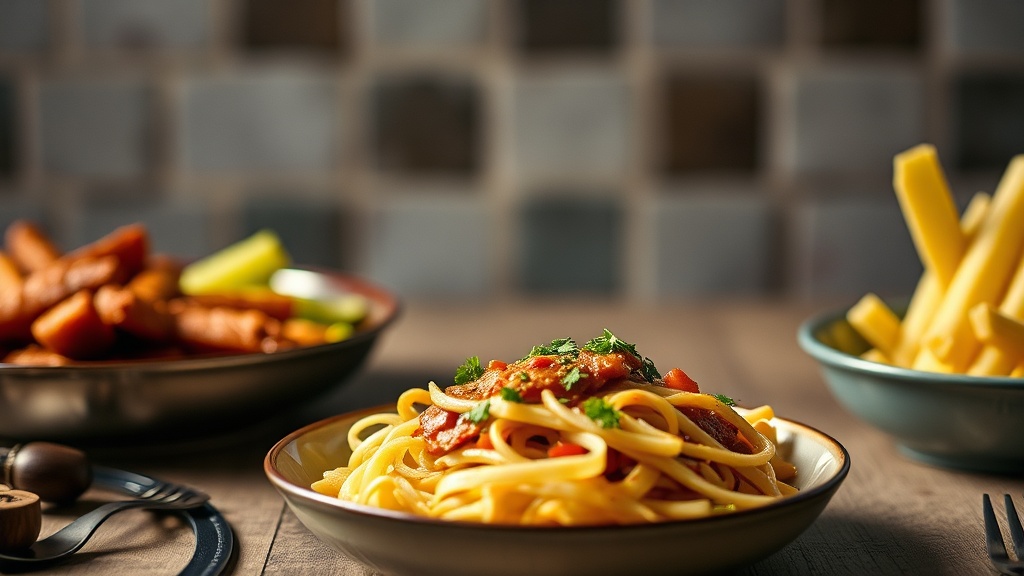
15-Minute Weeknight Dinners That Actually Satisfy Hungry Families

Getting dinner on the table in fifteen minutes isn't a fantasy reserved for TV chefs with pre-measured ingredients and a sous chef hiding off-camera. Real families with real schedules — soccer practice, math homework, and that meeting that ran late — need meals that come together fast without sacrificing flavor or leaving everyone raiding the pantry an hour later. This post delivers fifteen proven dinner strategies that clock in under fifteen minutes, use ingredients found at any standard grocery store, and satisfy the kind of hunger that comes from a full day of work, school, and chaos.
What Can You Cook for Dinner in 15 Minutes?
You can cook complete, satisfying dinners in fifteen minutes by leaning on high-heat methods, pre-prepped ingredients, and strategic pantry staples. The key isn't fancy technique — it's knowing which proteins cook fast, which vegetables need zero prep, and how to build flavor quickly without thirty-minute simmering.
Start with proteins that cook in under ten minutes. Shrimp defrosts under cold water in five minutes and sautés in three. Thin-cut chicken breasts or chicken tenders cook through in a screaming-hot skillet in six to eight minutes. Canned beans — drained, rinsed, and tossed into a hot pan with olive oil and garlic — transform from mushy to crispy-edged and delicious in five. Eggs, obviously, work miracles in two to four minutes depending on your style.
Vegetables follow the same fast-cook rules. Baby spinach wilts in ninety seconds. Cherry tomatoes burst and create instant sauce in a hot pan. Frozen peas need only a quick rinse under hot water — no cooking required for most applications. Pre-cut broccoli florets steam in the microwave in three minutes. The trick is choosing vegetables that either cook lightning-fast or taste great barely cooked.
Which Store-Bought Shortcuts Are Actually Worth It?
Not all convenience foods are created equal — some save legitimate time without sacrificing quality, while others cost triple the price for marginal convenience. The shortcuts worth your money solve the prep bottleneck: washing, chopping, marinating, and long-cooking.
Pre-washed salad greens and baby spinach eliminate the tedious wash-dry-spin routine. Yes, they cost more per ounce than bulk heads of lettuce. The math changes when you factor in the time saved and the reduced waste from greens going slimy in the crisper drawer. Costco sells massive tubs of organic baby spinach that last a week and cost less than the small plastic boxes at standard supermarkets.
Rotisserie chicken remains the king of convenience proteins. At $4.99 to $7.99 depending on your region, these birds deliver fully cooked, seasoned meat that shreds in seconds. The applications stretch far beyond eating it straight: toss into quesadillas, stir into instant ramen, pile on salad, or mix with jarred curry sauce over microwave rice. Bon Appétit offers excellent rotisserie chicken recipe ideas for stretching this humble bird across multiple meals.
Fresh pasta — the refrigerated kind near the deli section — cooks in two to three minutes versus eight to twelve for dried. The texture beats dried for quick applications where you're not building complex sauces. Rana and Giovanni Rana brands offer reliably good options, though store brands (especially Trader Joe's and Whole Foods 365) work perfectly fine for weeknight urgency.
Pre-minced garlic in jars? Skip it — the flavor is flat and metallic. Fresh garlic takes thirty seconds to mince. Pre-chopped onions? Only if you're making a huge batch of something, and even then, the sulfur compounds that make you cry also carry flavor that dissipates quickly after cutting. Whole onions, whole garlic, whole lemons — these stay prepped in your kitchen without quality loss.
How Do You Build Flavor Fast Without Simmering All Day?
Big flavor in minimal time requires concentrating your efforts on high-impact ingredients that deliver complexity without reduction, caramelization, or long cooking. Think fermented, cured, spicy, and aromatic — ingredients that already contain the depth you're trying to build.
Garlic, ginger, and scallions form the aromatic trinity of fast cooking. Keep all three prepped and ready: minced garlic in a small jar covered with olive oil lasts a week, ginger grates frozen (buy a knob, keep it in the freezer), and scallions slice in seconds. Hit a hot pan with any combination of these plus oil, and you've laid the foundation for something that tastes like it took effort.
Fermented sauces deliver instant umami depth. Soy sauce, fish sauce, Worcestershire sauce, and miso paste contain months of flavor development in a single tablespoon. A drizzle of fish sauce into scrambled eggs, a spoonful of miso whisked into instant ramen broth, or Worcestershire in a quick pan sauce transforms basic ingredients into something craveable. Serious Eats provides excellent guidance on cooking with fermented sauces for maximum impact.
Acid finishes everything. Lemon juice, lime juice, rice vinegar, or even a splash of pickle brine brightens flavors and cuts richness. Add acid at the end — heat destroys volatile acids quickly. A final squeeze of lemon over almost any protein or vegetable lifts the entire dish.
15-Minute Dinner Formulas That Actually Work
Rather than rigid recipes — who has every ingredient measured and ready? — these formulas adapt to what you have and what your family eats. Each follows the same structure: fast protein + quick vegetable + starch base + flavor booster.
The Quesadilla Method
Two tortillas, cheese, and whatever protein or vegetable sits in your fridge. The key is heating the pan properly: medium heat, dry nonstick skillet, press firmly as it cooks. Fillings that work: black beans and frozen corn (rinse both under hot water first), leftover rotisserie chicken, sautéed mushrooms, or scrambled eggs. Serve with jarred salsa and a dollop of sour cream. Total time: eight minutes.
The Sheet Pan Hack (Yes, Really — 15 Minutes)
Thin proteins, high heat, quick vegetables. Spread pre-cooked sausage slices, shrimp, or thin fish fillets on a sheet pan with cherry tomatoes, asparagus, or pre-cut broccoli. Toss with olive oil, salt, and whatever spice blend you own. Broil on high — four to six inches from the flame — for eight to ten minutes, shaking the pan once halfway through. The intense direct heat mimics grilling and cooks everything simultaneously.
The Egg Dinner
Frittatas and omelets aren't just for brunch — they're vehicles for leftover vegetables, odds-and-ends cheese, and that half-package of deli meat. Whisk four to six eggs, pour into a buttered oven-safe skillet with your mix-ins, cook undisturbed for three minutes, then finish under the broiler for two minutes. Slide onto a plate, add toast, dinner's done.
The Assembly-Only Platter
Some nights, cooking feels impossible. That's when you build rather than cook: hummus, store-bought falafel (many brands microwave beautifully), sliced cucumbers, cherry tomatoes, olives, pita bread, and tzatziki. Or go Italian: sliced salami, mozzarella balls, jarred roasted peppers, crusty bread, and olive oil for dipping. Kids love the variety, cleanup is minimal, and nobody goes hungry.
Quick Comparison: Protein Options by Speed and Cost
| Protein | Cook Time | Approximate Cost | Best For |
|---|---|---|---|
| Rotisserie Chicken (pre-cooked) | 2 minutes (shredding) | $5-8 per bird | Quesadillas, salads, pasta |
| Shrimp (frozen, peeled) | 3-4 minutes | $8-12 per pound | Stir-fries, pasta, tacos |
| Eggs | 2-4 minutes | $3-5 per dozen | Frittatas, fried rice, breakfast dinner |
| Canned Beans (crispy style) | 5 minutes | $1-2 per can | Tacos, grain bowls, salads |
| Thin-cut Chicken Breast | 6-8 minutes | $4-6 per pound | Pan-seared with quick pan sauce |
| Pre-cooked Sausage | 5 minutes (browning) | $4-6 per package | Sheet pan dinners, pasta, pizza |
The Pantry That Makes This Possible
Fifteen-minute dinners require a stocked pantry — not an elaborate one, just strategic. These items keep indefinitely and provide the backbone for countless quick meals:
- Oils and fats: Olive oil for cooking and finishing, neutral oil for high heat, butter for flavor.
- Aromatics: Garlic, onions (store in cool, dark place — not the fridge), frozen ginger.
- Acids: Lemons (they last weeks in the fridge), rice vinegar, hot sauce.
- Umami bombs: Soy sauce, fish sauce, miso paste, tomato paste (buy the tube, not the can — it keeps forever).
- Quick starches: Pasta (multiple shapes), microwave rice packets, tortillas, bread for the freezer.
- Frozen vegetables: Peas, corn, spinach, stir-fry mixes — these are often more nutritious than "fresh" produce that's been trucked across the country.
Mindset Shifts for Realistic Weeknight Cooking
Here's the thing about fifteen-minute dinners: they work best when you abandon the idea of a "complete" meal in the traditional sense. Protein-starch-vegetable on every plate? Nice when it happens, impossible to guarantee nightly. Some nights, everyone eats a quesadilla with beans and calls it good. Other nights, scrambled eggs with toast and sliced tomatoes suffices.
The goal isn't culinary perfection — it's getting food into hungry people without resorting to drive-through prices or frozen meals that taste like salted cardboard. The Academy of Nutrition and Dietetics offers practical guidance on building balanced quick meals that don't require chef-level skills.
Prep when you can, not when you must. On Sunday, chop an onion and store it in the fridge — it'll last five days. Cook a pot of rice on Monday, use it through Wednesday. Wash a head of lettuce right after grocery shopping so it's ready to grab. These micro-preps, done when energy permits, pay dividends on nights when everyone's hangry and patience is thin.
Worth noting: your kitchen setup matters. A sharp knife (seriously — sharpen your knives) cuts prep time in half. A large, heavy skillet retains heat and cooks food faster than thin, flimsy pans. A rice cooker with a timer means fresh rice waiting when you walk in the door. Small investments in tools yield ongoing time savings.
The families who consistently get dinner on the table quickly aren't necessarily more organized or skilled — they've simply developed a repertoire of fast meals and stocked their kitchens to support them. Start with three or four of these strategies that appeal to your family's tastes. Master them. Add more when you're ready. Before long, fifteen minutes feels like plenty of time — not a frantic race against the clock.